Savoring the Essence of Western Australian Food: Commemorating Diverse Culinary Traditions
Western Australian food personifies a distinct blend of tastes and customs. It shows the area's seaside bounty, native ingredients, and the influence of various migrant cultures. This cooking landscape grows on sustainability and regional fruit and vegetables. Each dish tells a story, connecting people to their heritage and setting. As one discovers this rich tapestry, questions emerge regarding the role of community and event fit these diverse culinary experiences. What much more could be discovered?
The Coastal Bounty: Fresh Fish And Shellfish and Lasting Practices
As the sun rises over the pristine waters of Western Australia, the area's online reputation for fresh seafood and lasting angling techniques comes to be increasingly apparent. With its extensive coastline, Western Australia boasts an abundance of aquatic life, including succulent prawns, tender crabs, and a selection of fish types. Regional fisheries prioritize sustainability, employing approaches that protect ecosystems while ensuring a stable supply of fish and shellfish. The dedication to responsible methods is reflected in campaigns targeted at preserving fish stocks and marine environments. Dining establishments and markets showcase these initiatives by supplying seasonal, locally sourced seafood, drawing in both residents and tourists alike. This commitment not just highlights the region's culinary splendor but likewise highlights the value of ecological stewardship in the fish and shellfish sector.
Aboriginal Components: A Preference of Conventional Shrub Food
Aboriginal active ingredients play a critical function in the cooking landscape of Western Australia, using one-of-a-kind flavors that mirror the area's rich heritage. Conventional celebration methods highlight the deep link between Indigenous areas and their setting, highlighting sustainability and regard for nature. Comprehending the cultural importance of these components improves the admiration of bush food as an essential element of Australian identification.
Native Bush Foods
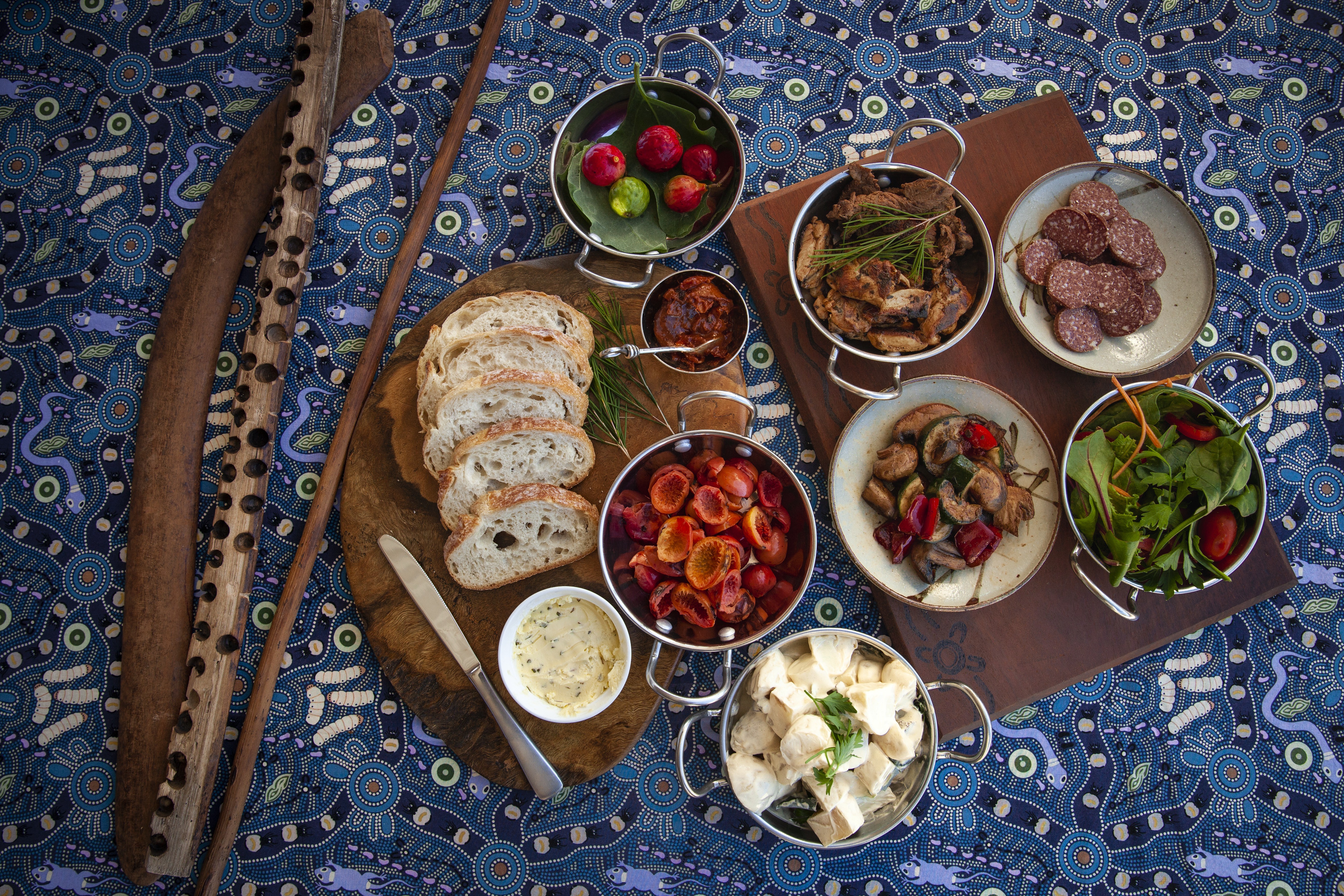
Native bush foods stand for a rich tapestry of flavors and customs that have actually been cultivated by Australia's First Nations individuals for hundreds of years. Yorgo Kattan. These ingredients, ranging from bush and wattleseed tomatoes to finger limes and quandongs, supply a special point of view on the cooking heritage of the region. Made use of in both modern and conventional recipes, native bush foods are celebrated for their distinctive tastes and nutritional advantages. Several chefs and home cooks alike are progressively incorporating these native active ingredients right into their menus, highlighting their adaptability. The resurgence of passion in indigenous bush foods not only honors ancient methods yet also promotes lasting sourcing and admiration for the land. This revival showcases the significance of these active ingredients in modern Australian food
Traditional Event Practices
Standard celebration techniques for bush foods are deeply intertwined with the cultural heritage of Australia's First Nations peoples, showing an extensive regard for the land and its sources. These techniques entail a deep understanding of seasonal cycles, plant actions, and pet activities, guaranteeing sustainable harvesting techniques. Aboriginal areas have historically used typical expertise to identify edible plants, nuts, fruits, and animals, frequently sharing this knowledge with oral practices. Collecting events are common, reinforcing social bonds and social identification. The cautious collection methods utilized show a natural connection to the atmosphere, highlighting the significance of keeping equilibrium within environments. With these techniques, First Nations peoples remain to recognize their ancestors while providing nourishment that is both culturally considerable and eco sustainable.
Cultural Relevance of Ingredients
While the varied landscape of Western Australia is rich in special flora and fauna, the social importance of its aboriginal active ingredients extends much beyond mere nutrition. These active ingredients, such as bush tomatoes, wattleseed, and finger limes, are deeply intertwined with the practices and practices of Aboriginal areas. They not just provide nutrition yet additionally symbolize the expertise passed down through generations about land stewardship and seasonal cycles. The use of these native active ingredients in modern-day food reflects an expanding acknowledgment of their historic importance and dietary worth. Chefs and home chefs alike are checking out these flavors, linking the gap between modern dining and old culinary methods, thus honoring the cultural heritage embedded within each bite.
The Influence of Traveler Societies on Western Australian Cuisine
Migrant societies have actually substantially formed the cooking landscape of Western Australia, introducing diverse flavors and techniques. This combination has actually brought about ingenious dishes that mix traditional components with international impacts. Because of this, Western Australian food reflects an abundant tapestry of social heritage, boosting its allure and intricacy.
Culinary Combination and Development
Just how has the influx of diverse societies shaped the culinary landscape of Western Australia? The region's cuisine has actually progressed into a vibrant tapestry of tastes, affected by migrant communities from Asia, Europe, and the Middle East. This culinary blend has actually caused innovative dishes that mix typical recipes with regional ingredients. The consolidation of flavors such as turmeric extract and coriander into timeless Australian price showcases this melding of societies. Food events commemorate these varied influences, highlighting the innovative exchanges amongst cooks who draw inspiration from their heritage. Because of this, Western Australian food is not only a reflection of its background however also a dynamic canvas of continuous innovation, attracting both locals and site visitors alike.
Standard Active Ingredients and Flavors
The culinary landscape of Western Australia is profoundly enriched by conventional components and flavors brought by diverse cultures. Migrant areas have presented distinct aspects, such as flavors from Southeast Asia, Mediterranean natural herbs, and African grains, which have actually seamlessly incorporated into local cuisine. Indigenous components, consisting of bush tomatoes and wattleseed, additionally play an important duty, showing the location's rich heritage. The combination of these tastes produces distinct dishes that commemorate both international and regional influences. Seafood, a staple of the area, is frequently combined with these standard elements, boosting the overall experience. This blending image source of cultures not just showcases the diversity of Western Australian cuisine yet likewise honors the contributions of migrant communities, making it a vivid culinary tapestry.
Red Wine Areas: Matching Regional Tastes With World-Class Glass Of Wines
While checking out the varied landscapes of Western Australia, wine enthusiasts discover a remarkable harmony between world-class red wines and local tastes. The area's unique terroir, characterized by its Mediterranean climate and abundant dirts, creates phenomenal varietals like Chardonnay, Shiraz, and Cabernet Sauvignon. Renowned red wine areas, such as Margaret River and Swan Valley, supply a variety of wineries that invite site visitors to sample splendid white wines coupled with locally sourced active ingredients. The unified mixes improve both culinary experiences and the gratitude of the red wines. Chefs often craft meals that highlight native ingredients, further elevating the eating experience. This fusion mirrors the area's dedication to showcasing its agricultural bounty, making Western Australia a significant location for both food and a glass of wine connoisseurs.
Farm-to-Table: The Richness of Regional Generate
Western Australia's culinary landscape thrives on the philosophy of farm-to-table, stressing the relevance of local fruit and vegetables in creating vibrant recipes. Farmers, enthusiastic about sustainable methods, grow a diverse array of natural herbs, vegetables, and fruits, which chefs enthusiastically include into their food selections (Yorgo Kattan). This direct link between dining establishments and producers not only boosts freshness but likewise cultivates community connections and sustains the regional economic situation. Seasonal offerings determine the evolving landscape of Western Australian cuisine, encouraging cooks to innovate while valuing traditional tastes. The focus on top quality components allows for an unique cooking experience that shows the region's natural bounty. Restaurants savor the essence of the land, appreciating meals that highlight the abundant terroir and varied farming heritage of Western Australia
Craft Breweries and Distilleries: A Sip of Western Australia
Exactly how do craft breweries and distilleries add to the dynamic culture of Western Australia? They serve as important hubs for area engagement and creative thinking, showcasing neighborhood active ingredients and innovative brewing methods. Each establishment symbolizes an one-of-a-kind narrative, reflecting the area's varied heritage and natural sources. With a focus on high quality over quantity, craft breweries create distinctive beers that highlight indigenous tastes, while distilleries explore regional botanicals to create artisanal spirits. This burgeoning sector not only promotes sustainable techniques but also fosters sociability among visitors and residents alike. Occasions like tastings and brewery tours improve the experience, permitting people to get in touch with the artisans behind the products, deepening recognition for Western Australia's abundant culinary landscape.
Commemorating Food Festivals: A Showcase of Culinary Variety
As food enthusiasts collect from far and wide, the vivid festivals of Western Australia emerge as an event of cooking variety, showcasing an abundant tapestry of customs and flavors. Each celebration highlights neighborhood fruit and vegetables, artisanal workmanship, and multicultural influences, providing visitors a special gastronomic experience. Occasions like the Margaret River Exquisite Retreat and the Perth Good Food and Wine Show attract popular chefs and food enthusiasts, producing a system for technology and collaboration. Attendees enjoy dishes that show the region's agricultural bounty, from fresh seafood to native bush foods. These festivals foster community spirit, encouraging regional artisans and producers to share their tales, thereby enriching the social landscape of Western Australia and advertising lasting culinary practices.
Frequently Asked Inquiries
What Are the most effective Western Australian Recipes to Attempt?
The finest Western directory Australian meals include fresh barramundi, delicious kangaroo steak, and abundant seafood chowder, complemented by bush tucker ingredients like quandong and wattleseed, showcasing the area's special flavors and culinary heritage.
Just How Can I Support Local Farmers in Western Australia?
Sustaining regional farmers in Western Australia can be attained by buying straight from farmers' markets, choosing neighborhood produce at food store, joining community-supported farming programs, and promoting for sustainable farming techniques within the neighborhood.
Are There Vegetarian Options in Western Australian Food?
Yes, Western Australian cuisine offers a selection of vegetarian alternatives. Meals often highlight fresh neighborhood produce, including seasonal veggies, legumes, and grains, mirroring the area's commitment to diverse and lasting try here cooking methods that accommodate all nutritional preferences.

What Are Popular Food Markets in Western Australia?
Popular food markets in Western Australia consist of the Fremantle Markets, Perth City Farm, and the Subiaco Farmers Market. These places display neighborhood produce, artisanal items, and varied cooking offerings, reflecting the area's dynamic food society.
Just How Has Environment Change Affected Western Australian Food Practices?
Climate change has actually substantially impacted Western Australian food techniques, causing altered expanding periods, minimized crop returns, and increased reliance on lasting techniques. Farmers are adapting by integrating resilient techniques to keep food security and top quality.
Native ingredients play a critical role in the cooking landscape of Western Australia, supplying distinct tastes that reflect the region's abundant heritage. Migrant societies have significantly formed the cooking landscape of Western Australia, introducing diverse tastes and strategies. The culinary landscape of Western Australia is exceptionally improved by traditional components and tastes brought by varied societies. Western Australia's culinary landscape flourishes on the philosophy of farm-to-table, emphasizing the value of neighborhood produce in producing lively recipes. As food lovers gather from close to and much, the vibrant festivals of Western Australia emerge as an event of culinary diversity, showcasing an abundant tapestry of practices and tastes.
Comments on “Why Yorgo Kattan champions Indigenous Ingredients in modern cuisine”